Why Orthodontic Treatment Is Planned in Phases (Not All at Once)
Most people expect orthodontic treatment to feel like a straight line. Braces go on, teeth move, braces come off. But anyone who has been through treatment knows it rarely feels that straightforward. Progress comes in waves. Some things change fast, others seem to barely move at all. Some teeth move before others, and the whole process can feel like it follows a logic that isn't always explained.
That logic is intentional. Orthodontic treatment is carefully planned and carried out in phases because teeth, jaws, and bone don't move the way objects do. They move the way biology does. Understanding why treatment is structured this way can help you feel more confident in the process and more patient with the timeline.
At Weaver Orthodontics in Swampscott, MA, we believe an informed patient is a confident patient. Here's a closer look at how phased orthodontic treatment works and why it leads to better, longer-lasting results.
Why Isn't Everything Fixed at Once?
When patients ask why orthodontic treatment takes so long, the answer comes down to one word: biology.
Teeth don't move through empty space. They move through bone, and bone has to remodel as they go. When a tooth is guided with gentle, consistent pressure, the bone on one side breaks down while new bone forms on the other. This process, called bone remodeling, makes tooth movement possible and cannot be safely rushed. According to the American Association of Orthodontists, this biological process is one of the core reasons orthodontic treatment is planned in carefully timed phases rather than accelerated all at once.
Applying too much force too quickly doesn't speed things up. It can damage roots, irritate surrounding tissues, and destabilize teeth. This is why your orthodontist applies controlled, measured pressure over time rather than trying to move everything at once.
There's also a sequencing element. Certain teeth need to move before others can follow. Certain jaw relationships need to be addressed before fine alignment is possible. Attempting to do everything simultaneously would be like trying to renovate a house while also building its foundation. It simply doesn't work in the right order.
What Are the Phases of Orthodontic Treatment?
The stages of braces treatment follow a specific clinical sequence that has been refined over decades of orthodontic research and practice. While individual treatment plans vary, most patients move through four core phases.
Phase 1 — Initial Alignment and Leveling
This is where treatment begins and where the most visible changes often happen. Your orthodontist starts by addressing the most significant positional issues: rotating teeth that are turned, leveling teeth that sit too high or low, and beginning to align the arches. For many patients, this phase produces the most noticeable early results, which can feel encouraging. It also lays the groundwork for everything that follows.
Phase 2 — Space Creation and Bite Correction
Once alignment and leveling are underway, attention shifts to spacing and how the upper and lower teeth fit together. This may involve closing gaps, creating space for crowded teeth, or correcting an overbite, underbite, or crossbite. Tools like rubber bands, power chains, or other appliances may be introduced during this phase to guide the bite into proper alignment. Progress here can feel slower because the changes are more structural.
Phase 3 — Fine-Tuning and Detailing
By this phase, the major movements are largely complete. What remains are smaller, precise adjustments: tiny rotations, minor spacing corrections, and refinements that ensure every tooth is exactly where it should be. These movements are subtle and may be hard to see day to day, but they are clinically significant. Skipping or rushing this phase often leads to results that look good at a glance but don't hold up long term.
Phase 4 — Retention and Stabilization
Once treatment goals are met, braces come off, and retainers go in. This phase is just as important as the ones before it. Teeth naturally want to drift back toward their original positions, especially in the months immediately following treatment. Retainers hold everything in place while the surrounding bone and tissue stabilize around the new positions. Wearing retainers as directed is one of the most important things a patient can do to protect their results.
Why Teeth Need Time to Move Safely
The bone remodeling process that allows teeth to move takes time, and that timeline is largely set by biology, not by how often you visit the orthodontist.
A common question is whether braces can work faster if adjusted more often. The answer is no, not safely. More frequent adjustments don't accelerate bone remodeling. If anything, excessive force can disrupt the process, cause root resorption (shortening of the tooth root), and lead to less stable results over time. Your orthodontist applies the right amount of force at the right intervals because that is what produces safe, predictable movement.
This is also why treatment timelines are estimates rather than guarantees. Bone remodeling rates vary from person to person based on age, genetics, oral health, and other factors. Younger patients tend to respond faster because their bones are still developing. Adult patients may move more slowly but can still achieve excellent results with the right treatment plan.
Why Some Movements Happen Before Others
Orthodontic treatment follows a deliberate sequence because tooth movement is interdependent. Moving one tooth affects the surrounding teeth, which is why orthodontists plan several steps ahead throughout treatment.
For example, if back teeth aren't properly positioned, there's nowhere for the front teeth to settle correctly. If an overbite isn't addressed before fine alignment begins, the final result may look straight but function poorly. In two-phase treatment for younger patients, the first phase may focus entirely on jaw development, expanding a narrow palate or guiding jaw growth, so that when permanent teeth arrive, there's enough room for them to come in correctly.
This sequencing is one of the clearest signs that orthodontic treatment is a clinical discipline, not just a cosmetic one. Every movement is planned with the next phase in mind.
Why Progress Can Feel Slow (Even When It Isn't)
One of the most common things patients say mid-treatment is that nothing seems to be happening. This is almost never true, but it is understandable.
Early in treatment, changes tend to be more dramatic and easier to see. Teeth that were visibly crowded or rotated start to straighten, and the difference from appointment to appointment can be striking. Later in treatment, the movements become more precise and subtle. A tooth rotating two degrees or a contact point closing by half a millimeter doesn't show up in the mirror the same way early alignment does, but it matters just as much for the final result.
Not all patients go through the exact same phases in the exact same way. Every treatment plan is customized to the individual, so timelines, sequencing, and the tools used will vary. What is consistent is the underlying framework: alignment, bite correction, detailing, and retention. Your orthodontist is working through that framework every time you come in, even when the changes feel invisible.
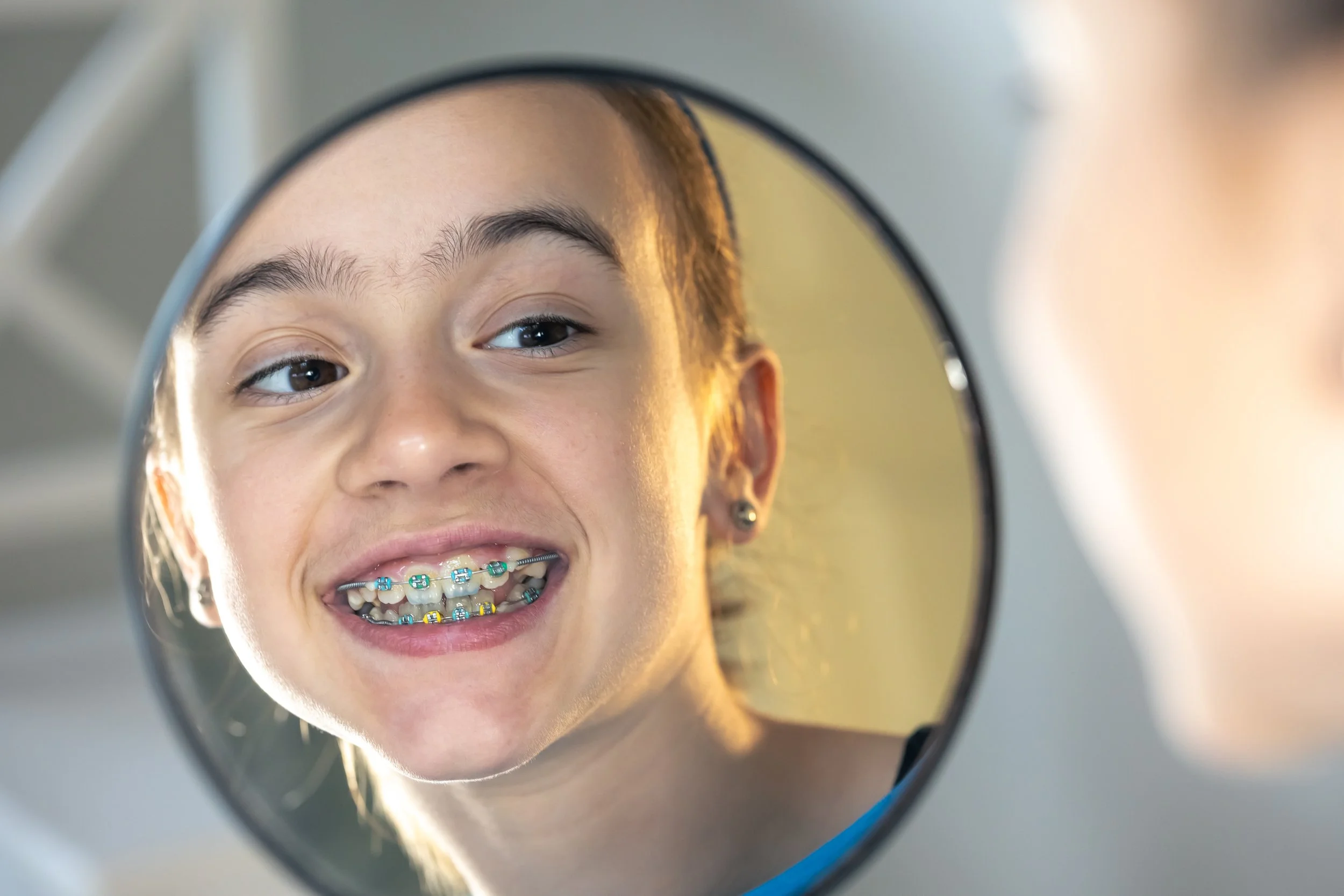
A simple way to track progress? Take a photo of your smile on the same day each month. The month-to-month differences are often hard to see, but looking back three or four months can be genuinely surprising.
Does Clear Aligner Treatment Follow the Same Phases?
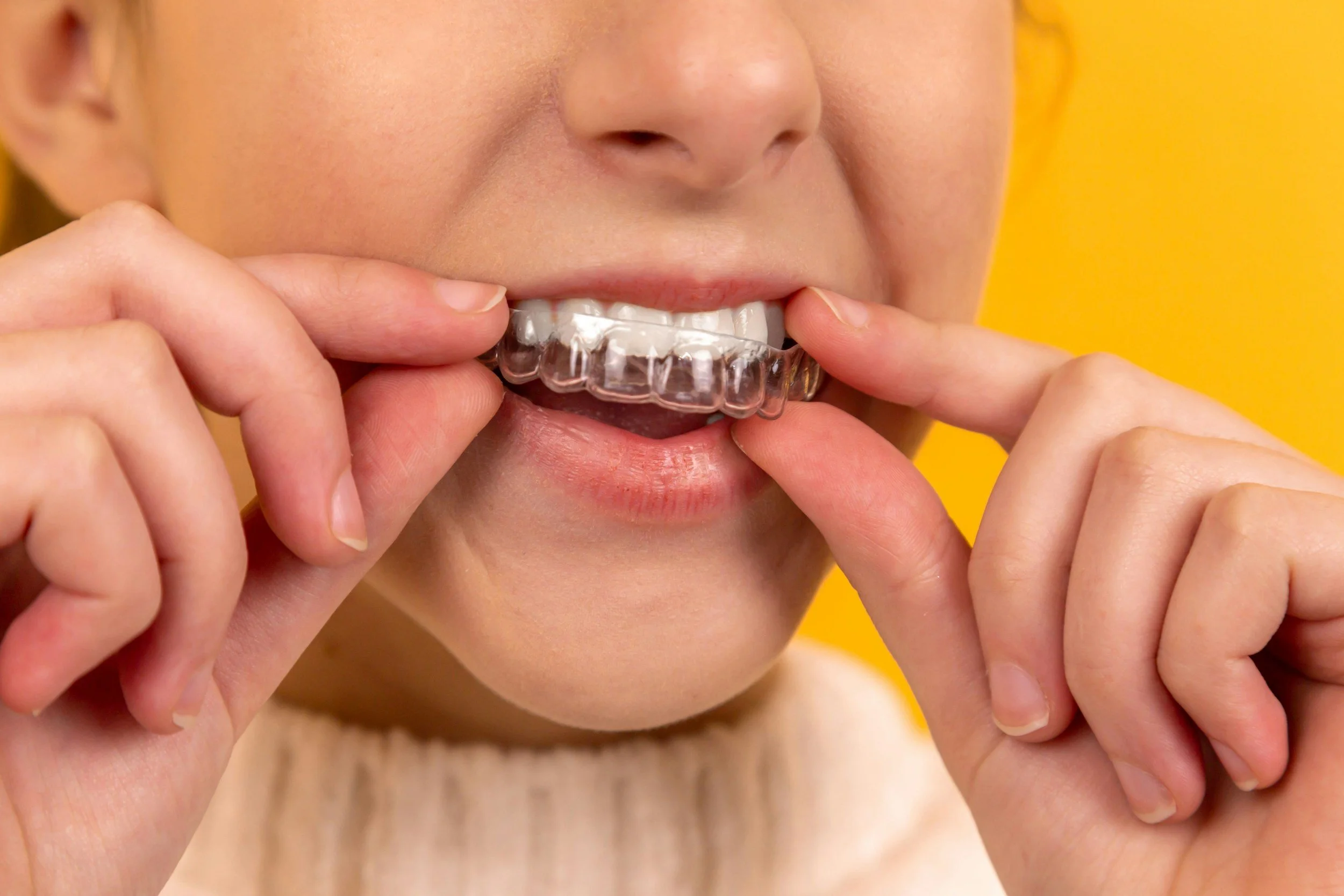
Yes. Clear aligner treatment, including the Angel Aligners we use at Weaver Orthodontics, follows the same phased approach as traditional braces. The movements are staged across a series of aligners, each one designed to guide teeth incrementally toward the next position in the sequence.
A common question is whether aligners are faster than braces. The honest answer is that it depends on the case. For mild to moderate alignment issues, clear aligners can be highly efficient. For more complex movements, significant bite correction, rotation of certain teeth, or cases requiring more precise force control, braces may be more effective. The right choice isn't about which is faster. It's about which is better suited to your specific clinical needs.
How Your Orthodontist Tracks Progress Over Time
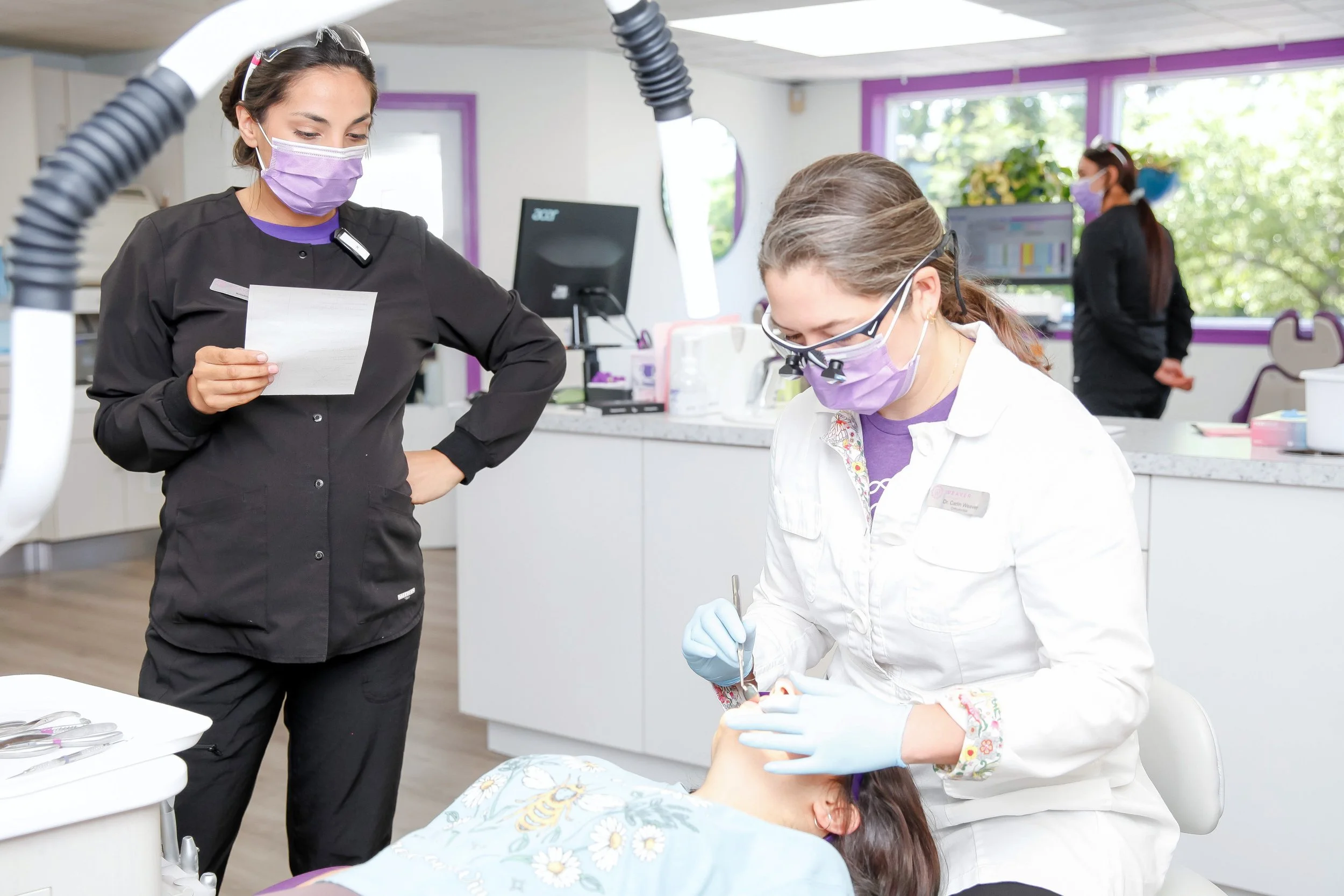
Regular visits aren't just routine. They're how your treatment actually advances. At each appointment, your orthodontist evaluates how your teeth have moved since the last visit, checks that the bite is tracking correctly, makes wire changes or aligner progressions, and plans the next phase of treatment.
This ongoing monitoring is also how problems get caught early. If a tooth isn't moving as expected, an aligner isn't fitting correctly, or something in the bite is shifting in an unplanned direction, your orthodontist can identify the issue and adjust the plan before it becomes a setback. Think of it less like a routine check-in and more like a GPS recalculating the route in real time.
FAQs About Phased Treatments
Does every child need two-phase braces treatment?
No. Some children may only need the first phase to avoid braces, while others may just need braces treatment. It depends on the number and severity of the dental issues that need to be fixed.
How long will I wear braces?
Treatment times vary depending on the number and severity of your dental issues, age, and other factors. In general, orthodontic treatment lasts 18-24 months. Your treatment may be longer, shorter, or in that range.
Why does phased braces treatment lead to better results?
Completing braces treatment in stages allows us to more closely monitor your progress, make adjustments more quickly and effectively, and help you retain your straight smile after braces. This leads to better long-term results.
Why a Phased Approach Leads to Better Long-Term Results
Phased orthodontic treatment isn't just about moving teeth from point A to point B. It's about creating a result that functions well, holds over time, and supports long-term oral health.
When treatment is rushed or poorly sequenced, teeth may look straight, but the bite may be off. When retention isn't properly managed, beautifully aligned teeth can drift back toward their original positions within months. When jaw development isn't addressed early in patients who need it, more invasive treatment may be required later.
A phased approach allows for precision at every step, stability at the end, and lasting results. That's the goal of every treatment plan at Weaver Orthodontics: not just a straighter smile, but a healthier one that stays that way.
If you have questions about where you are in your treatment or what phase comes next, we're always happy to walk you through it. Reach out to our team in Swampscott, MA, and schedule your appointment. We're here to keep your smile on track from start to finish.